


The Ultimate Guide to eSIM Compatible Devices You Can Use Right Now
Over a billion active devices now support eSIM technology, meaning a physical SIM slot is no longer mandatory for cellular connectivity. These devices have a programmable chip embedded directly into the motherboard, allowing users to download a carrier profile instead of inserting a plastic card. To activate an eSIM, you simply scan a QR code or install a carrier app, enabling instant switching between multiple mobile plans without swapping hardware. This built-in design frees up physical space for larger batteries or additional sensors, while also providing remote provisioning and dual-line capability in a single device.
Understanding the Shift from Physical SIM Cards
Understanding the shift from physical SIM cards means recognizing that an eSIM is a programmable chip soldered directly into your device, eliminating the need to swap plastic cards when changing carriers. For eSIM compatible devices, this transition offers instant activation by scanning a QR code or downloading a profile, often within minutes.
Q: Does removing the physical SIM slot affect my ability to switch phones?
A: No, you simply transfer your eSIM profile to another compatible device via the carrier’s app or interface, preserving your number and data without waiting for a physical card.
How Embedded SIM Technology Works in Modern Gadgets
An embedded SIM (eSIM) is a soldered chip inside your gadget that replaces the physical plastic card. It works by storing multiple carrier profiles directly on this chip, which you activate by scanning a QR code or using an app. This process involves a remote provisioning server securely downloading your network credentials over the air, making your device active instantly without needing a slot or tray. Remote profile management allows you to switch between plans without swapping hardware. This seamless approach means your gadget’s internal space is freed up for larger batteries or slimmer designs.
- An eSIM chip holds a secure element that stores encrypted carrier data.
- You download and switch profiles through your device’s settings menu.
- The chip communicates with mobile networks via a standardised remote SIM provisioning protocol.
- Once activated, the eSIM functions identically to a physical SIM for calls, texts, and data.

Key Differences Between Traditional SIMs and Digital Profiles
The primary difference lies in physical presence versus software integration. A traditional SIM is a removable plastic chip, while an eSIM is a rewritable digital profile embedded within the device’s motherboard. This eliminates the need to swap cards when changing carriers. Instead, users download a new profile over Wi-Fi or a cellular connection. This process typically follows a sequence:
- Scan or enter a carrier-provided QR code.
- Store the profile in the device’s eSIM memory.
- Activate it within the settings menu, often allowing dual profiles to coexist.
A physical SIM locks the user to one carrier per slot, whereas an eSIM profile can be switched instantly via software. However, a digital profile is not transferable to another phone without re-issuance by the carrier. This shift gives users more flexibility but less physical ownership of the credential.
Top Smartphones That Support Virtual SIM Profiles
For seamless dual-SIM flexibility, top smartphones like the Google Pixel 9 Pro and Apple iPhone 15 series lead as esim compatible devices that natively support multiple virtual SIM profiles, letting you switch carriers without swapping physical cards. Samsung Galaxy S24 models also excel, storing up to two eSIMs while retaining a physical slot. A common question: Which phone handles virtual travel profiles best? The Pixel 9 Pro wins by allowing you to download a local eSIM instantly, then toggle it on alongside your home number for one-device roaming. These gadgets prioritize convenience—no waiting for plastic SIMs, just instant network activation right from settings.
Flagship Models from Apple with Built-In eSIM Support
Apple’s flagship lineup, starting with the iPhone XS, XR, and later models, integrates dual SIM functionality through a physical nano-SIM combined with a built-in eSIM. The iPhone 14 series in the U.S. eliminates the physical SIM tray entirely, relying solely on eSIM-only iPhone models for connectivity. This design simplifies setup but requires carrier compatibility. The iPhone 15 Pro and Pro Max extend dual eSIM support, allowing users to store multiple profiles and switch between them without hardware changes. Activating a secondary eSIM for travel or work typically involves scanning a carrier’s QR code directly in Settings. A comparison of eSIM capacity across key models clarifies practical limits:
| Model | eSIM Support |
|---|---|
| iPhone XS/XR | 1 active eSIM + 1 nano-SIM |
| iPhone 13 | 1 active eSIM + 1 nano-SIM |
| iPhone 14 (U.S.) | Up to 2 active eSIMs |
| iPhone 15 Pro | Up to 2 active eSIMs |

Samsung Galaxy Lineup Featuring Dual SIM Capabilities
Samsung’s Galaxy lineup, including the S24, Z Fold5, and A55, offers hybrid dual SIM flexibility via eSIM alongside a physical nano-SIM. Users can activate a virtual profile for a secondary line while retaining a physical card, ideal for managing work and personal numbers on one device. Models like the S24 Ultra support dual active eSIMs, enabling two virtual profiles simultaneously.
Q: Can I use two eSIMs at once on a Samsung Galaxy phone?
A: Yes, newer flagship models like the Galaxy S24 and Z Fold5 support dual active eSIMs, allowing two virtual SIMs to be active simultaneously.
Google Pixel Devices Designed for Global Connectivity
Google Pixel devices, from the Pixel 3 onward, utilize the Tensor security module to manage native dual-SIM functionality via eSIM, enabling seamless switching between a physical SIM and a virtual profile without hardware swaps. The Pixel 7 series and later support multiple active eSIMs, allowing users to store several carrier profiles for travel or work. This design prioritizes carrier-neutral configuration, where a user activates an eSIM directly through the device’s settings menu, bypassing physical procurement. Network scanning for local profiles is integrated into the system UI, ensuring global connectivity by simply downloading a new eSIM when crossing borders.
Google Pixel devices offer hardware-backed eSIM management with on-device profile switching, supporting global connectivity through direct carrier activation and multi-profile storage.
Tablets and Laptops with Integrated Digital SIM
For an eSIM-compatible tablet or laptop, an integrated digital SIM eliminates the need for a physical nano-SIM tray, allowing you to activate a cellular data plan directly through the device’s settings. This is particularly practical for frequent travelers, as you can switch between local carriers without swapping cards or visiting a store. When choosing a device, verify it supports both eSIM profiles and, ideally, a removable physical SIM slot for maximum flexibility in connectivity. Many modern ultrabooks and high-end tablets now include this dual capability, but always confirm the specific eSIM implementation before purchase, as some models lock the digital SIM to a single carrier. For users who rely on consistent tethered-free access, managing multiple eSIM profiles on one laptop simplifies daily workflows but requires careful attention to data roaming settings.
iPad Pro and iPad Air Models for On-the-Go Data Plans
The iPad Pro and iPad Air models with integrated eSIM support allow users to activate an on-the-go data plan directly from their device, eliminating the need for a physical SIM card. This enables instant connectivity to cellular networks without visiting a store or waiting for a card to arrive. For professionals or travelers, these iPads offer the flexibility to choose a local or regional plan as needed. The convenient eSIM setup process simplifies managing multiple data options for work or leisure.
- Activate a data plan through the Settings app without a physical SIM.
- Switch between carriers for on-the-go connectivity in different regions.
- Use a single iPad for both personal and business data plans simultaneously.
Microsoft Surface Pro and Laptop Series with Cellular Options
Microsoft’s Surface Pro and Laptop series integrate embedded SIM (eSIM) technology into their cellular-enabled configurations, allowing direct mobile network connections without a physical SIM card. These devices support both eSIM and a physical nano-SIM for dual-connectivity flexibility. Users can activate data plans through built-in settings by scanning a QR code or using a carrier’s app, enabling internet access on the go. The Surface Pro 9 and Surface Laptop 5, for example, feature optional LTE Advanced or 5G models, providing enterprise-grade cellular connectivity for professionals needing constant, secure access. This integration ensures seamless switching between Wi-Fi and cellular networks directly from Windows, minimizing downtime during travel or remote work.
Chromebooks That Handle Remote Work Without Physical Cards
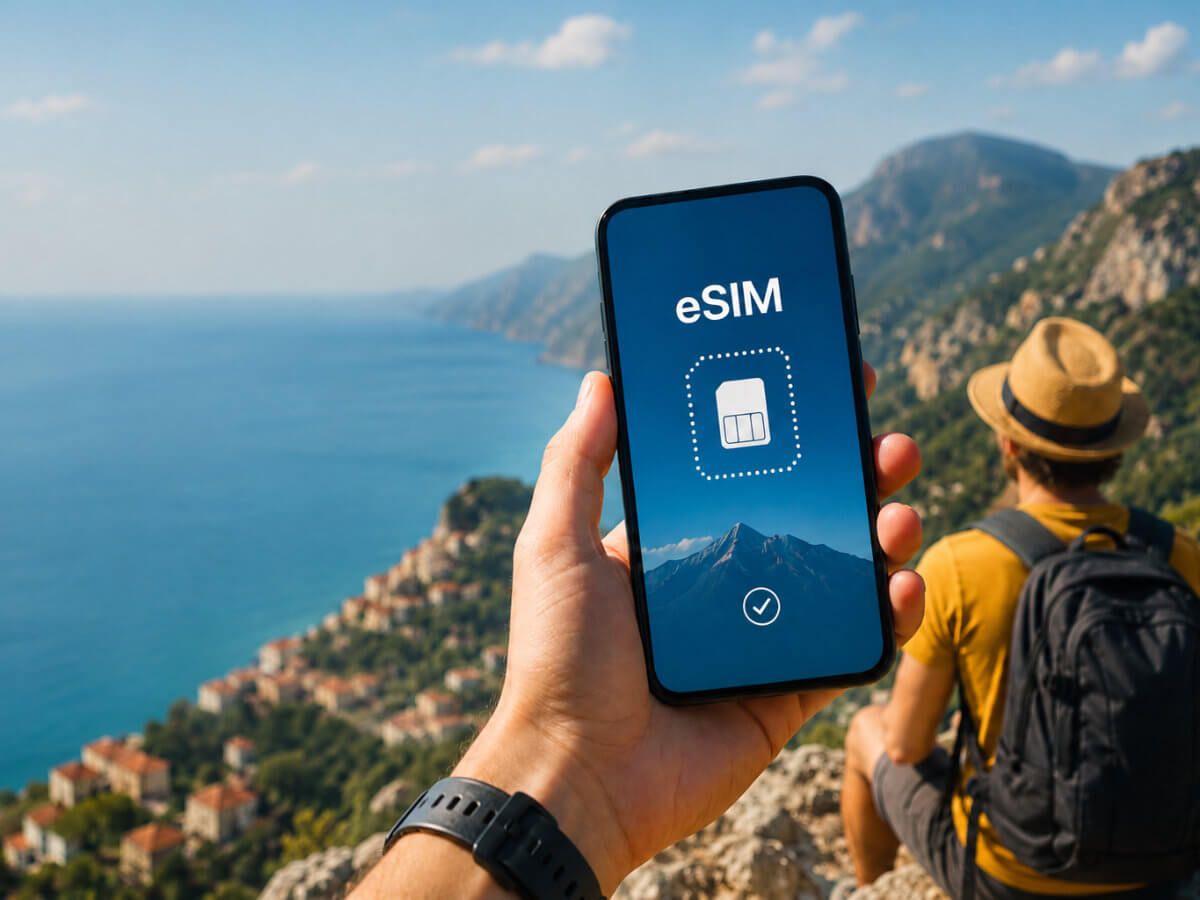
For remote work, Chromebooks with integrated digital SIMs eliminate the need for physical cards, enabling immediate connectivity. The setup involves activating an eSIM profile for remote work directly in the device’s settings, typically through a QR code from a carrier. This process follows a clear sequence:
- Navigate to the network settings menu on the Chromebook.
- Select « Add eSIM » and scan the provided QR code.
- Confirm the plan activation; the device connects to cellular data without a physical card.
This allows workers to maintain productivity from any location with mobile network coverage, bypassing the logistics of sourcing and inserting physical SIMs.
Wearables and Smartwatches Relying on Embedded Chips
The runner’s watch, freed from a phone, pulses with an embedded chip that silently negotiates a cellular signal. That tiny silicon slice is the heart of an esim compatible device, holding a virtual subscriber profile that turns the slim band into a standalone communicator. When a notification buzzes mid-stride, the chip instantly pulls the data from the carrier’s network, no physical SIM tray needed. It stores multiple profiles, so you can switch between a work line for urgent emails and a personal number for a quick voice note on a run, all while keeping the watch’s sealed, waterproof chassis intact. The embedded chip makes this possible without adding bulk.
Apple Watch Series with Standalone Cellular Service
The Apple Watch Series with Standalone Cellular Service leverages an embedded eSIM to function independently of a paired iPhone. This setup requires activating a cellular plan directly on the watch, typically through your carrier’s companion app. The eSIM enables core features like making calls, streaming music, and receiving messages without tethering, relying on the watch’s embedded eSIM chipset for network authentication. To set up standalone service, follow this sequence:
- Ensure your Apple Watch model (Series 3 or later, excluding SE 1st gen) supports cellular and is on a compatible carrier.
- Open the Watch app on your iPhone, tap “Cellular,” then select “Set Up Cellular.”
- Choose a new or existing cellular plan from your carrier, which provisions an eSIM profile directly onto the watch’s embedded chip.
Samsung Galaxy Watch Variants for Untethered Usage
Samsung Galaxy Watch variants for untethered usage, specifically the LTE models like the Galaxy Watch6 Classic and Galaxy Watch5 Pro, rely on an embedded eSIM to function completely without a paired smartphone. This integration allows users to stream music, take calls, and send messages directly from their wrist while leaving their phone behind. The chipset manages cellular connectivity independently, making these variants essential for runners or outdoor enthusiasts who demand independent communication. Crucially, Samsung Galaxy Watch eSIM activation requires carrier support and a compatible QR code profile, ensuring seamless standalone operation only after provisioning.
Samsung Galaxy Watch variants for untethered usage use an embedded eSIM to enable full cellular independence, allowing calls, messages, and streaming without a phone.
Fitness Trackers and Smart Bands Supporting eSIM
Fitness trackers and smart bands with eSIM support eliminate the dependency on a paired smartphone for connectivity. The embedded chip directly provisions a cellular plan, enabling standalone calls, messaging, and data streaming during workouts. This allows for untethered GPS route tracking and real-time audio feedback without carrying a phone. To activate, users typically scan a QR code from their carrier within the companion app, which securely writes the eSIM profile. A key advantage is the ability to maintain independent cellular connectivity for emergency alerts and voice commands while swimming or running.
- Purchase a tracker or band explicitly listed as eSIM-compatible.
- Open the brand’s app, select “Add Mobile Plan,” and scan the carrier’s activation QR code.
- The device downloads the eSIM profile, enabling cellular features within minutes.
Essential Considerations Before Choosing a Device
Before selecting an eSIM-compatible device, first verify that it supports your specific carrier’s eSIM implementation, as some providers restrict activation to devices sold directly through them or require a unique QR code. Check the device’s ability to manage multiple eSIM profiles natively, since many phones only hold one active profile at a time while storing several for swapping. Your primary SIM slot will often still need a physical card, limiting full eSIM independence if that port is blocked by a secondary line. Battery life can degrade faster when running dual connections, especially on older chipsets. Even a compatible device may lack proper profile transfer tools, so verify cloud backup support for your eSIM before travel or carrier switching.
Carrier Compatibility and Regional Network Support
Before purchasing an eSIM device, you must verify UK eSIM carrier compatibility and regional network support to avoid connectivity issues. Not all eSIMs work with every provider; check if your preferred carrier offers eSIM activation and supports your device’s IMEI. Additionally, confirm regional band frequencies—a phone optimized for US networks may struggle in Europe or Asia. Without this check, you risk buying a device that cannot connect locally. Always consult the carrier’s eSIM compatibility list and device specifications for supported bands in your travel or home region.

Dual SIM Functionality for Travelers and Professionals
For travelers and professionals, dual SIM functionality in eSIM-compatible devices enables seamless management of personal and work lines without physical swaps. You can maintain a home number for calls while using a local eSIM data plan abroad, avoiding roaming fees. Hybrid dual SIM setups often allow one physical SIM alongside one eSIM, though some newer phones support two active eSIMs. This is critical for professionals who need constant connectivity on a business line while traveling. Q: Can I use two eSIMs simultaneously for calls and data? A: Yes, many recent flagship devices support dual active eSIMs, allowing both lines to receive calls or share a data connection, but check your specific model’s firmware for full parallel functionality.
Security Features and Remote Management Options
Choosing an eSIM device demands scrutiny of its remote eSIM management security to prevent unauthorized profile swaps. Look for hardware-backed secure elements that encrypt your digital SIM data, making cloning virtually impossible. Remote management options, such as carrier-locked provisioning portals, let you freeze or wipe a profile instantly if the device is lost. Biometric or PIN-gated access to the eSIM settings panel adds another critical layer, ensuring only you can toggle connectivity or push new profiles over the air. These features transform the eSIM from a convenience into a hardened, remotely controllable identity hub.
Security features like encrypted secure elements and biometric access controls pair with remote management tools—such as instant profile freeze or wipe—to give you total, tamper-proof control over your eSIM identity from anywhere.
Industries Driving Adoption of Digital SIM Hardware
The automotive industry is a primary driver, embedding eSIM compatible devices directly into vehicles for factory-integrated connected services, real-time navigation, and emergency response systems. Consumer electronics manufacturers are aggressively adopting this hardware to enable seamless multi-network connectivity in high-end laptops, tablets, and smartwatches, eliminating physical SIM slots. The enterprise sector pushes adoption through IoT deployment, where digital SIM hardware allows fleet managers and logistics firms to remotely provision and switch carriers across thousands of devices without manual intervention. Industrial IoT applications, such as remote sensors and trackers, rely on eSIMs for ruggedized, waterproof designs that lack legacy SIM trays. This hardware revolutionizes connectivity by making device provisioning instant, network switching effortless, and form factors significantly more compact and durable.
Enterprise Deployments for Fleet and IoT Management
For enterprise deployments in fleet and IoT management, eSIM compatible devices eliminate physical SIM swaps across thousands of distributed assets. Fleet vehicles with integrated remote provisioning switch between regional carriers seamlessly across borders, ensuring continuous telematics data flow. IoT sensors in logistics or industrial equipment maintain connectivity without manual intervention, as the eSIM profile can be updated over-the-air to match local carriers when devices traverse different coverage zones. This enables centralized SIM inventory management from a single platform, enforcing uniform data policies and instantly suspending service on stolen or decommissioned units.
- Over-the-air carrier profiles let fleets stay on the strongest network in each region while roaming.
- Centralized platform remotely activates, swaps, or deactivates connectivity across an entire IoT device batch.
- eSIM reduces device failure points by removing physical SIM slot vulnerabilities in harsh fleet environments.
- Automated profile assignment scales easily as new IoT nodes are deployed to remote or mobile assets.
Healthcare and Remote Monitoring Devices
In healthcare, eSIM compatible devices enable continuous remote monitoring by allowing vital-sign sensors and wearables to maintain persistent, multi-network connectivity without physical SIM swaps. This ensures uninterrupted patient data transmission from devices like glucose monitors or cardiac patches to clinical dashboards, even across borders. The eSIM’s profile-switching capability lets a single monitoring device automatically connect to the most reliable local carrier, reducing latency for real-time alerts. eSIM hardware also simplifies secure provisioning of thousands of medical IoT endpoints, as clinicians can remotely activate or update connectivity profiles on implanted or portable monitors without patient interaction.
Automotive Infotainment and Navigation Systems
In modern vehicles, eSIMs transform infotainment by enabling seamless streaming, real-time traffic updates, and over-the-air map refreshes without needing a physical SIM swap. Drivers access live navigation, weather overlays, and media apps directly through the dashboard, while passengers enjoy independent connectivity for video or gaming. Embedded eSIM connectivity allows continuous global roaming for navigation services, eliminating reliance on personal hotspots or manual data plans. This integration ensures navigation reroutes instantly during road closures by dynamically fetching updated route data from cloud servers. Automotive systems also leverage eSIMs to unlock remote vehicle monitoring and voice-activated concierge services, all via a single, secure chip that persists for the vehicle’s lifecycle.
Automotive infotainment and navigation systems leverage eSIM hardware for persistent, real-time connectivity—enabling live traffic rerouting, streaming, and cloud-synced maps without requiring physical SIM cards or external hotspots.
Future Trends in Embedded Connectivity Hardware
Future embedded connectivity hardware will push eSIM functionality beyond a simple profile store. We will see eSIM chipsets directly integrated into the main SoC, eliminating the need for a separate security enclave and reducing physical footprint to near zero. This enables tiered, multi-network silicon where one chip dynamically switches between carrier-grade LTE, private 5G, and satellite LEO bands without signal loss. Advanced hardware will support « slotless eSIMs » with write-once, execute-only firmware to harden against remote attacks. True zero-touch provisioning will become a hardware-layer handshake, not a cloud-first process. This architecture allows devices to arbitrate network sliding windows autonomously, optimizing for latency or power draw based on the ambient spectrum—not a user’s plan.
Upcoming Smartphone Releases Likely to Phase Out SIM Trays

Upcoming smartphone releases are engineering trayless designs by embedding the eSIM as the sole subscriber identity module. This shift requires users to follow a clear activation sequence: acquire a carrier’s eSIM profile via QR code or app, scan it during initial device setup, and download the profile directly to the phone’s secure element. Without a physical slot, switching networks involves deleting the old profile and re-scanning a new QR code, making carrier portability a purely digital credential process. These devices also pre-load a fallback eSIM profile for immediate connectivity out of the box, eliminating any need for a plastic card.
Expansion into Smart Home Devices and Appliances
Expansion into smart home devices and appliances relies on eSIM technology to eliminate physical SIM slots in thermostats, locks, and refrigerators. Users can remotely provision connectivity for each device through a single carrier profile, simplifying setup. A typical sequence includes:
- Powering on the appliance and scanning a QR code to activate the eSIM.
- Selecting a data plan optimized for low-bandwidth home automation.
- Integrating the device with a central hub for unified control.
This approach enables seamless switching between home Wi-Fi and cellular fallback, ensuring always-on appliance monitoring even during internet outages. eSIM management apps allow users to update profiles across multiple smart devices from one interface, reducing manual configuration for each new gadget.
Role of eSIM in 5G and Satellite Connectivity
As 5G networks densify and satellite constellations expand, the eSIM serves as the critical bridge for devices to dynamically select the optimal radio access technology. It enables a single device to simultaneously hold profiles for a terrestrial 5G operator and a non-terrestrial network (NTN) provider, allowing seamless failover when cellular coverage ends. This architecture removes the need for separate hardware slots; the eSIM’s remote provisioning handles the handshake between high-frequency 5G mmWave and LEO satellite bands. The result is continuous connectivity across urban and remote zones, with the device’s firmware managing profile switching based on signal strength and latency requirements. Multi-network orchestration via eSIM is the practical enabler of this hybrid 5G-satellite access model.
- Stores separate profiles for 5G and satellite networks, enabling automatic network failover without user intervention.
- Supports remote switching to a satellite profile when a device exits 5G coverage, maintaining data and voice sessions.
- Handles provisioning of credentials for both 3GPP 5G and 3GPP Release 17 satellite bands from a single embedded chip.


